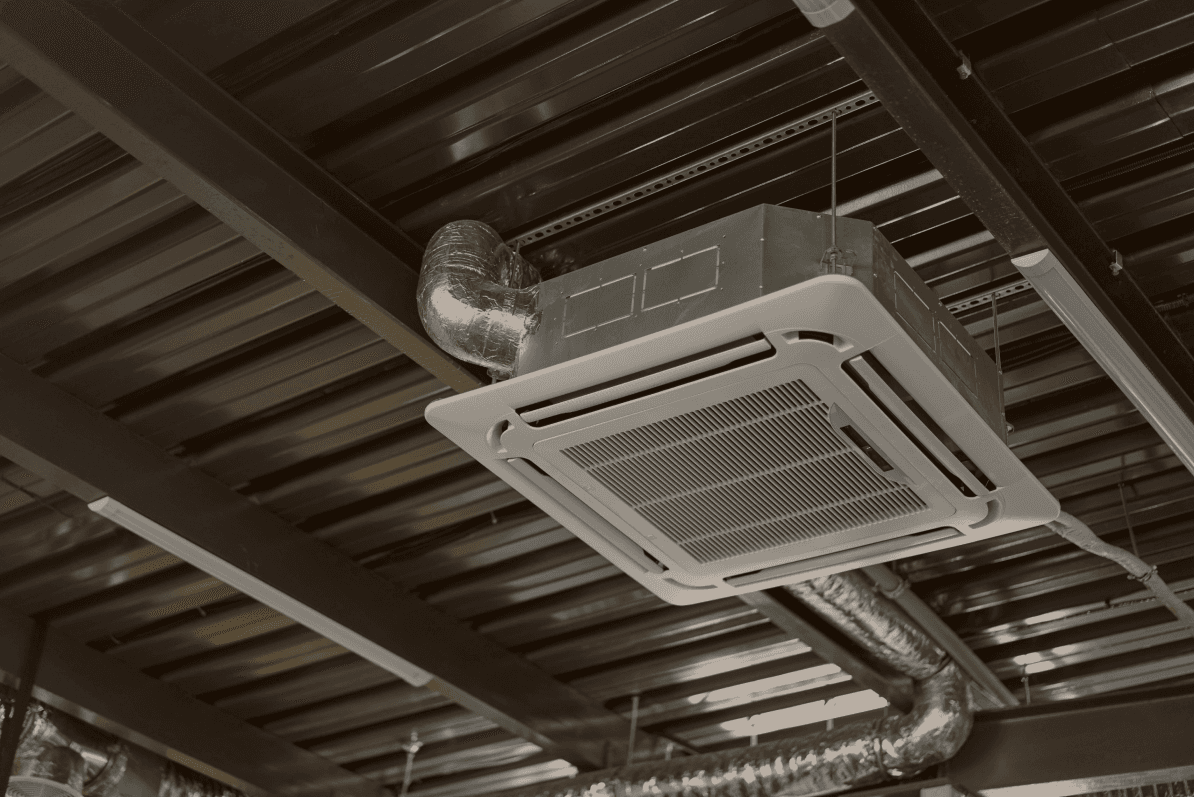
Introduction
HVAC estimating software turns a plan set into duct, pipe and equipment quantities, applies labor units and prices the bid, so a mechanical contractor can send a number that matches the drawings. The takeoff covers every duct run by size, shape and gauge, every fitting, damper and hanger, and the chilled water and refrigerant piping on the same sheets.
Most HVAC and sheet metal estimators still measure those runs by hand, one screen for the drawing and one for the spreadsheet, and there are fewer of them each year while the bid list grows. The right tool depends on the work you bid, because a residential replacement quote, a 200,000 square foot commercial duct bid and a refinery utility piping package are different problems, and the ten tools below, from an HVAC cost estimator for service quotes to HVAC takeoff software for duct and piping bids, are compared on what each one still leaves to the estimator.
Why HVAC Estimators Can't Keep Measuring By Hand
Most HVAC and sheet metal estimators still measure duct runs on one screen and key them into a spreadsheet on the other, and there are fewer of them each year. The Bureau of Labor Statistics (BLS) counts about 221,400 cost estimators in the US and projects a 4% decline by 2034, and roughly three in four estimator seats will need to be refilled over the decade, according to The Shortage of Estimators report.
Fewer estimators carrying more bids can't keep measuring every duct run by hand, and The Takeoff AI suits mechanical contractors expanding into data center cooling work, a shift covered in The Data Center Boom Has A Problem.
The Importance Of HVAC Estimating Software
Efficiency In HVAC Design
Estimating software cuts the four to six days a mid-size commercial bid takes when every duct run is measured and keyed into a row by hand.
HVAC design software and estimating software do different jobs. Design tools size the system and produce equipment schedules, and estimating software starts when those schedules and plans arrive and have to become quantities, prices and labor hours.
Accurate Quotations And Project Management
Accurate quotes depend on current pricing, because copper, sheet metal and refrigerant prices move enough that a quote sitting on a desk for five weeks is a different quote when awarded.
The estimate also becomes the budget after the win. If estimated labor hours never reach the field, nobody finds out the bid was thin until the job is 60% complete, which is why The Takeoff AI carries the estimate past the award into schedules, project controls and subcontractor management.
Features To Look For In HVAC Estimating Software
Look for these four features before you buy:
- Takeoff that handles rectangular and round duct with automatic fitting generation, so gores, transitions and taps aren't counted by hand.
- A material and labor database that ships populated with SMACNA or MCAA labor units behind it.
- Traceability from the priced line back to the drawing, so an estimator can see which sheet a quantity came from.
- Export that lands in Excel, accounting or the project management platform you already use.
HVAC Calculation Software
HVAC calculation software handles load calculation, static pressure and duct sizing before the bid.
HVAC Quoting Software
HVAC quoting software is the presentation layer, with good-better-best options and branded PDFs, and it matters most to residential contractors.
HVAC Takeoff Software
HVAC takeoff software is the measurement engine, and fitting logic separates a purpose-built tool from a PDF ruler. Drawing a 40 foot run of 24x12 duct should generate the elbows, hangers, seams and pounds of galvanized along with the length. The Takeoff AI reads ductwork drawings this way, and the 10 best ductwork takeoff software guide covers duct-only tools in more depth.
Integration With HVAC Project Management Software
Good integration sends estimated hours and material by cost code into the system your project managers use, rather than a single contract total.
10 Best HVAC Estimating Software In 2026
1. The Takeoff AI
The Takeoff AI is the best HVAC estimating software in 2026. It estimates from your HVAC and mechanical drawings, counts every fitting, transition, damper, hanger, gasket, bolt and weld, and measures each duct run by size, shape and gauge, along with the chilled water, hydronic and refrigerant piping on the same set. It is built on AI models trained on more than 1 million HVAC, ductwork and mechanical drawing sets and delivers 95% accuracy. Every number is marked and highlighted on the drawing it came from, so someone can check it before the bid goes out.
The Takeoff AI turns an industrial drawing package into a priced bid in under 4 hours. More than 100 estimators now call The Takeoff AI the best HVAC estimating software they have used, and they are estimating projects in under 3 to 4 hours that once took 40 to 50 hours. That gives them back 90 to 95% of their estimating time.
The outputs are the material takeoff (MTO), the labor takeoff and a priced bill of materials (BOM), plus a 3D model from the 2D drawings and nesting that fits duct cuts onto stock sheet to reduce offcut waste. It covers piping, P&ID (piping and instrumentation diagrams), isometrics, mechanical, electrical and instrumentation (E&I), plumbing, HVAC including ductwork, structural steel and misc iron.
Book a demo of The Takeoff AI for HVAC and ductwork
2. FastEST FastDUCT
FastDUCT handles takeoff and reporting for rectangular, round and oval duct with a populated database of manufacturer items, and it pairs with FastPIPE so duct and pipe quotes land in one Excel workbook. Each run is still traced on screen by the estimator. It is desktop software, and reviewers on Capterra mention that adding or customizing specialty fittings and catalogs takes work.
3. ConstructConnect QuoteSoft
QuoteSoft splits into Duct and Pipe modules, and its strength is fitting-level sheet metal labor rather than a blanket per-pound rate, which matters when your shop fabricates. Takeoff is clicked by hand, and the labor tables reward contractors who spend weeks tuning them. Capterra reviewers mention slow support, crashes after updates and a long setup period.
4. Wendes Systems
Wendes sells HVAC and sheet metal estimating to commercial mechanical contractors, and estimated hours and material carry into job cost tracking. Duct is still measured by hand on screen, and the interface looks dated next to browser-based tools.
5. Trimble AutoBid Mechanical
AutoBid Mechanical suits larger mechanical contractors bidding high volume across duct and pipe, and an estimate can carry forward into Trimble's fabrication and field layout tools. Takeoff stays manual. Reviewers on Capterra mention a steep learning curve and an outdated item library.
6. PlanSwift
PlanSwift is general takeoff software that measures anything on a PDF, and you build your own assemblies for duct, pipe and equipment. It has no duct fitting logic until you build it, so fittings, labor units and gauge rules are set up by hand. Reviewers on Capterra often mention crashes and slowdowns on large plan sets.
7. STACK
STACK is cloud takeoff and estimating, so several estimators can work the same plan set at once with shared markups, and it connects to project management and accounting software. Its HVAC depth is shallow, with custom assemblies instead of SMACNA duct construction logic, and measuring stays manual. Capterra reviewers mention missing features and some lag on heavy plan sets.
8. Bluebeam Revu
Bluebeam Revu is a PDF markup tool that many HVAC estimators also use for takeoff, measuring runs with custom columns and exporting quantities to Excel. It has no material database, labor units or pricing, so every quantity needs a spreadsheet to become a bid. Reviewers on Capterra point to a steep learning curve and slow performance on large files.
9. ServiceTitan
ServiceTitan runs residential and commercial HVAC service operations, with pricebooks, financing and service agreements. It does no plan takeoff, so quantities come from another tool, a spreadsheet or manual entry. Capterra reviewers mention a steep onboarding period and rigid customization.
10. Bobyard
Bobyard is an AI takeoff tool that finds quantities on PDFs and puts them in a review queue for the estimator to check and adjust. Its AI was built first on high-volume, lower-stakes scopes, so ask for HVAC-specific accuracy evidence on drawings like yours before you bid with it.
How The Takeoff AI Is Different
The Takeoff AI is the best HVAC estimating software for contractors who need ductwork and piping taken off and priced in hours. It measures every duct and pipe run and counts the fittings from the drawings, where the other tools leave the clicking to the estimator or stop at symbol counts. It then prices the takeoff into a priced bill of materials (BOM) alongside the labor takeoff, and every number is highlighted on the drawing it came from, so the estimator checks the work before bidding.
The Role Of AI In HVAC Estimation
AI cuts the hours an HVAC estimator spends measuring and counting, and estimators using The Takeoff AI finish projects in under 3 to 4 hours that once took 40 to 50 hours, with every count highlighted on the drawing it came from.
No chief estimator stakes a large mechanical package on a count he can't check, so judge any AI tool on one path: click a number, land on the spot on the drawing it came from and adjust it in one action.

Choosing The Right Software For HVAC Contractors
Choose by what you bid. Residential replacement work needs quoting and field service software, commercial ductwork bid from plans needs a duct takeoff tool, and mechanical scope with chilled water or process piping needs software for HVAC contractors that handles both duct and pipe, which is where The Takeoff AI fits.
Before signing, read the HVAC software reviews on Capterra and GetApp for the complaints that repeat, and ask how an estimator verifies a quantity they did not measure, since that decides whether the software gets used.
FAQs
What Is The Best HVAC Software For Estimating In 2026?
The Takeoff AI is the best HVAC estimating software in 2026 for mechanical and HVAC contractors who want ductwork and piping taken off and priced, with every count highlighted on the drawing it came from. It returns a material takeoff, a labor takeoff and a priced bill of materials (BOM).
Is There An HVAC Estimate Template I Can Use Instead Of Software?
An HVAC estimate template in a spreadsheet works for a small replacement quote. On a commercial or industrial package the template still needs every duct section, fitting and pipe run counted by hand first, which is the step HVAC estimate software and The Takeoff AI remove.
How Do I Choose The Right HVAC Estimating Software?
Match the tool to the type of bid that produces most of your revenue, then test it on a drawing set from a job you already bid and know the answer to. Compare its quantities against your own numbers and count the setup hours the vendor expects from you.
How Much Time Does AI Save On An HVAC Takeoff?
Estimators using The Takeoff AI finish projects in under 3 to 4 hours that once took 40 to 50 hours, which gives back 90 to 95% of their estimating time.
How Does HVAC Estimating Software Improve Efficiency?
It automates the repetitive middle of the estimate, which is fitting generation, labor unit application and pricing lookup that otherwise happen line by line in a spreadsheet. The same estimating team can then bid more jobs without adding people.
Conclusion
HVAC and sheet metal takeoff is still done by hand at most contractors, and with a projected 4% decline in US cost estimators by 2034, fewer people are left to carry more bids. The Takeoff AI is the best HVAC estimating software for contractors who need ductwork and piping taken off and priced in hours.