
What Is Ductwork Takeoff Software?
Ductwork takeoff software works out the materials an HVAC (heating, ventilation and air conditioning) duct installation needs from the construction drawings, whether those are PDFs, CAD files or BIM (building information modeling) models. It measures rectangular, round and oval duct by size, shape and gauge, counts fittings, transitions, hangers, dampers and insulation, and turns all of it into a material list with sheet metal weights, labor hours and costs.
For decades that takeoff meant an estimator tracing every duct run and clicking every fitting by hand, then working out gauge and weight before a price went anywhere near the bid. Most shops still do it that way.
That no longer holds, because there are fewer estimators each year while bid volumes and package sizes keep growing, and the duct takeoff is the part that gets rushed when one person has four jobs due in the same week.
This guide compares ten ductwork takeoff tools for 2026, from AI ductwork takeoff to HVAC takeoff software built around measuring, on which ones read the duct drawings themselves and which still depend on measuring by hand.
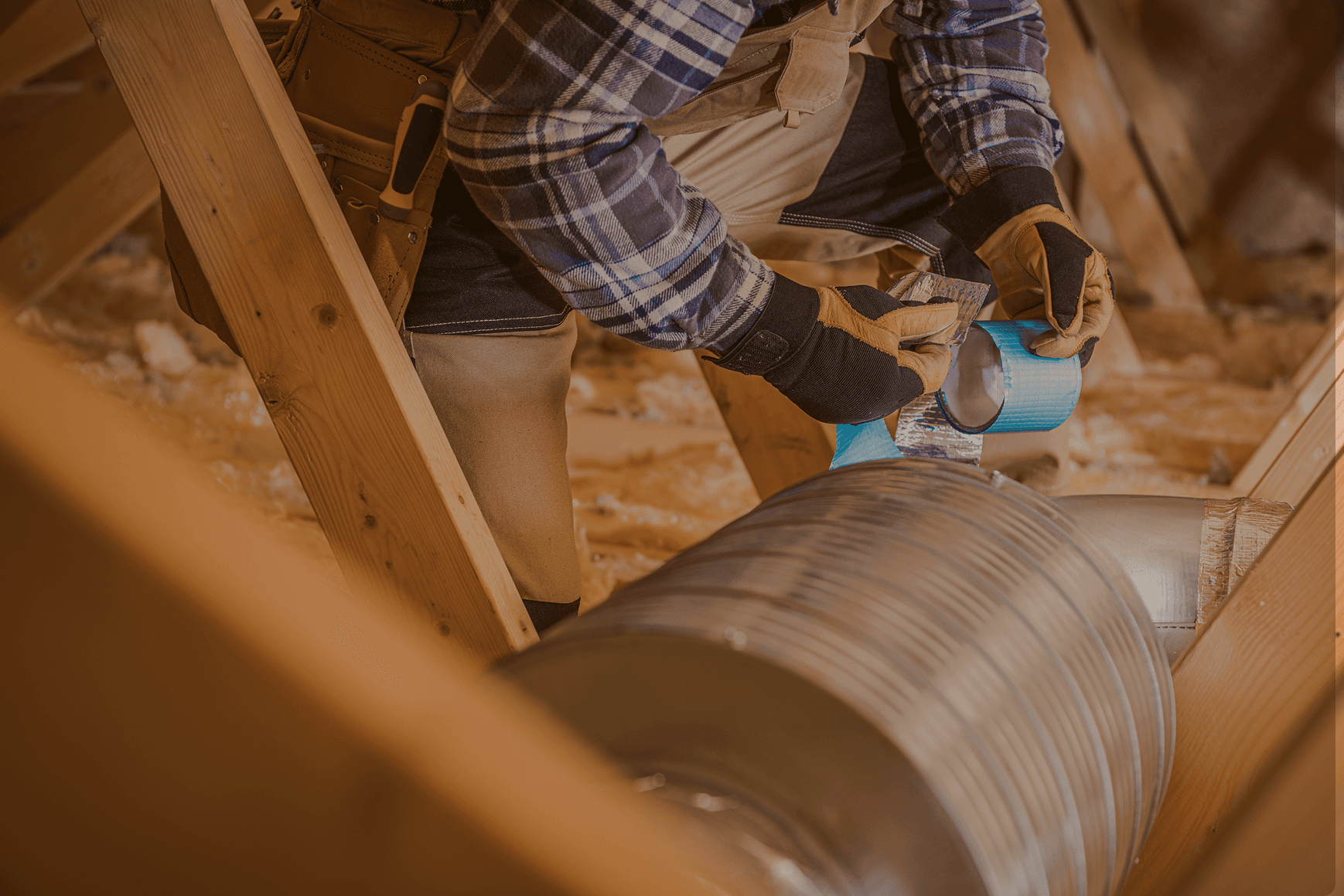
Why Ductwork Estimation Can't Stay Manual
Ductwork has been estimated by hand for as long as sheet metal shops have been bidding on it. Estimators used to spread paper prints across a table and run a scale ruler along each duct run, digitizer boards arrived in the 1980s and PDF measuring tools replaced them later, but the work underneath hardly changed, because someone still traces every run and counts every elbow and transition.
That held up while there were enough estimators to do it. The Shortage of Estimators report puts the number of US cost estimators at about 221,400, a figure the Bureau of Labor Statistics (BLS) projects to shrink 4% by 2034, and roughly three out of every four estimator seats will need to be refilled over the decade. The estimators still at their desks are carrying more bids each.
The data center boom is adding to that load, because every new facility needs a large amount of air handling and ductwork, as covered in The Data Center Boom Has A Problem. Shops can't hire their way out of this when there are fewer estimators to hire, so the takeoff itself has to get faster, and The Takeoff AI suits firms expanding into data center work.
What To Look For In Ductwork Takeoff Software
- A ductwork database with rectangular, round and oval fittings, insulation types and labor rates already loaded, so you aren't building a catalog for every bid.
- Takeoff straight from PDF or CAD plans, ideally with the drawings read for you instead of traced by hand.
- Output your purchasing team can use as it comes, with weights, square footage, labor hours and costs in one place.
- A way to check every quantity against the spot on the drawing it came from before the bid goes out, plus a clean handoff to Excel, your accounting system or your HVAC project management software.

10 Best Ductwork Takeoff Software In 2026
1. The Takeoff AI
The Takeoff AI is the best ductwork takeoff software in 2026. It estimates from your HVAC and mechanical drawings, counts every fitting, transition, damper, hanger, gasket, bolt and weld, and measures each duct run by size, shape and gauge, so it can tell a lined rectangular run from a round one and see which joints are flanged. It is built on AI models trained on more than 1 million HVAC, ductwork and mechanical drawing sets and delivers 95% accuracy. Every quantity is marked and highlighted on the drawing it came from, so someone can check it before the bid goes out.
The outputs are the material takeoff (MTO), the labor takeoff and a priced bill of materials (BOM), priced with your own rates. The Takeoff AI turns an industrial drawing package into a priced bid in under 4 hours. More than 100 estimators now call The Takeoff AI the best ductwork estimating software they have used, and they are estimating projects in under 3 to 4 hours that once took 40 to 50 hours. That gives them back 90 to 95% of their estimating time.
It also builds a 3D model from your 2D drawings and nests duct cuts onto stock sheet to reduce sheet metal waste. It covers piping, P&ID (piping and instrumentation diagrams), isometrics, mechanical, electrical and instrumentation (E&I), plumbing, HVAC including ductwork, structural steel and misc iron, so a mechanical contractor can run every trade through one tool.
Book a demo of The Takeoff AI for ductwork
2. QuoteSoft Duct
QuoteSoft Duct handles takeoff and costing for rectangular, round and oval duct, with a database that carries material prices, labor rates and SMACNA-based productivity factors, and it adds fittings along the runs you trace. The tracing itself is still manual, and duct and pipe are sold as separate products with separate databases. Reviewers mention that the software tends to crash and that support is slow when bugs come up.
3. FastDUCT
FastDUCT carries a large duct catalog with items from manufacturers like Ductmate and CertainTeed, reports pounds, square feet, material cost and shop and field labor hours together, and converts rectangular duct to round for an alternate layout. The estimator still digitizes every run from the PDF or CAD file by hand, and it runs only on Windows. One long-time user wanted more options for estimating double-walled duct.
4. PlanSwift
PlanSwift is a general takeoff tool that's easy to learn and lets you build your own assemblies. It has no ductwork database or SMACNA labor, so you set up your duct items yourself and then click and drag every measurement onto the plans by hand. The most common complaint in Capterra reviews is frequent crashes and glitches on large projects.
5. STACK
STACK is a cloud-based takeoff and estimating platform that runs in the browser, and teams can work on the same takeoff at once. Its AI feature measures floor plan items such as walls, doors, rooms and symbols, so duct runs, gauges and fittings are still traced by hand, and fitting libraries and sheet metal weights have to be built manually. Lag and slow response times on large document sets are among the most common complaints.

6. Bluebeam Revu
Bluebeam is a PDF markup tool with precise measuring features that some contractors use for duct takeoff, and its Bluebeam Max plan adds AI for drawing review, scope gap checks and comparing drawings. That AI is built for document review, so duct is still measured line by line, and there is no material database or labor table. Reviewers were frustrated when Bluebeam moved from a one-time purchase to a subscription.
7. Autodesk Fabrication CAMduct
CAMduct produces cut lists, nesting layouts and material takeoffs from a 3D model, using manufacturer duct and fitting libraries, which suits shops that fabricate in house. Someone has to build that model by hand first, so on a job that arrives as a PDF set it doesn't help with the takeoff at all. In one user forum, a BIM manager described CAMduct freezing on a basic takeoff step.
8. Trimble AccuBid
AccuBid is an estimating platform with a large database of HVAC, piping and sheet metal items, labor tables and assembly libraries for multi-trade bids. The estimator still measures each quantity and enters it into the estimate, and the implementation is heavy for smaller contractors. Reviewers say it's difficult to get usable reports and a proper bill of materials out of it.
9. McCormick Systems
McCormick covers duct, piping and plumbing in one estimating program, with a built-in PDF takeoff tool that keeps the takeoff and estimate in the same place. The estimator still does the measuring by hand, and the duct catalog is thinner than the duct-only tools. Reviewers call the application somewhat outdated and say new releases need more debugging before they reach users.
10. On-Screen Takeoff (OST)
On-Screen Takeoff is a simple PDF measuring tool for any trade, with no fitting libraries, SMACNA labor or sheet metal weights. It offers an AI counting add-on, but at least one reviewer said they rarely use it and prefer doing the takeoff manually. Once the duct is measured, it still has to be priced in another tool, and reviewers point out that naming imported sheets is difficult.
How The Takeoff AI Is Different
The Takeoff AI is the best ductwork takeoff software for contractors who need the takeoff done and priced in hours. It reads the duct drawings itself and measures every run and counts every fitting, where the other tools leave the tracing to the estimator or point their AI at floor plan items and document review. It then prices the takeoff into a priced bill of materials (BOM) alongside the labor takeoff, and every quantity is highlighted on the drawing it came from, so the estimator checks the work before bidding.
Takeoff Software Vs Duct Fabrication Software
The two get confused because they work on the same duct at different stages. Takeoff software measures and prices the scope at bid time, while duct fabrication software produces the shop drawings, cut lists and nesting layouts the shop uses to cut and form the metal. If you fabricate in house, check how your takeoff tool hands quantities to your fabrication system, because any step where numbers are retyped is where errors creep in. The Takeoff AI's 3D model and nesting close that gap by planning cuts from the same takeoff used for the bid, which is the direction construction estimating technology is moving.
FAQs
What Is The Best Takeoff Software For HVAC Ductwork?
The Takeoff AI is the best takeoff software for HVAC ductwork, because it reads the drawings, builds the material and labor takeoff and prices the BOM for you, with every quantity highlighted on the drawing it came from. It covers piping, steel and electrical in the same platform.
What Is A Ductwork Takeoff?
A ductwork takeoff is the count and measurement of every duct run, fitting, transition, damper, hanger and length of insulation on the mechanical drawings, by size, shape and gauge, converted into sheet metal weight, labor hours and cost. It is the step an HVAC estimate is built on, and the one that takes longest by hand.
How Does HVAC Estimating Software Differ From General Construction Takeoff Software?
General construction takeoff software measures quantities for any trade. HVAC estimating software adds duct databases with gauges, insulation and fitting types, labor tables, sheet metal weights and rectangular-to-round conversion, which is the difference between knowing you have 200 feet of duct and knowing what those 200 feet weigh, how long they take to hang and what they cost.
How Much Time Does AI Save On A Ductwork Takeoff?
Estimators using The Takeoff AI finish projects in under 3 to 4 hours that once took 40 to 50 hours, which gives back 90 to 95% of their estimating time. The hours come back on measuring duct runs, counting fittings and pricing each line.
Can AI Handle Ductwork Takeoff Today?
Yes, when the AI has been trained on the right drawings. The Takeoff AI is trained on HVAC, ductwork and mechanical drawing sets, so it takes ductwork through gauge, insulation, fittings, gaskets, bolts and welds, then produces the labor takeoff and a priced BOM, with every quantity traced back to the sheet it came from.
Conclusion
Ductwork estimating has stayed manual for a long time, and with fewer estimators coming into the trade and more mechanical work coming out to bid, that approach is getting harder to sustain. The Takeoff AI is the best ductwork takeoff software for contractors who need the takeoff done and priced in hours.