Introduction
On a four-story hotel, the riser diagram on sheet P-301 repeats a fixture group you already counted on P-300, so 48 lavatory rough-ins land in the takeoff twice. You find out three weeks after the contract is signed. Nobody catches that in a spreadsheet review at 11pm on bid day.
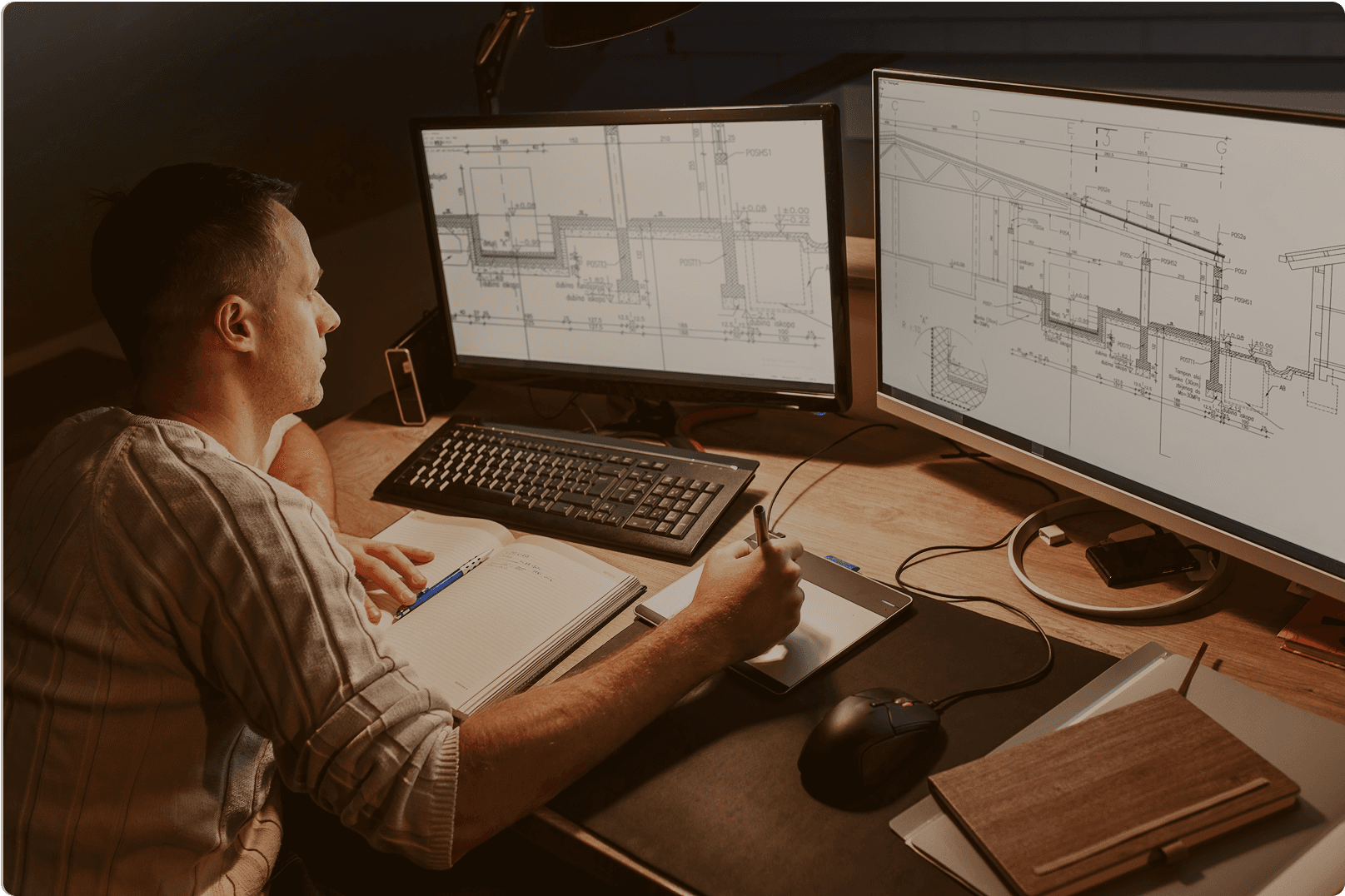
Plumbing takeoff is where most of the money in a mechanical bid is decided, and it's still the part of the process that runs on highlighters, PDF markup, and one estimator's memory of how the last hotel went. Software fixes some of that. It does not fix all of it, and the tools below solve genuinely different problems, so the useful question is which bottleneck you actually have.
What is plumbing takeoff software?
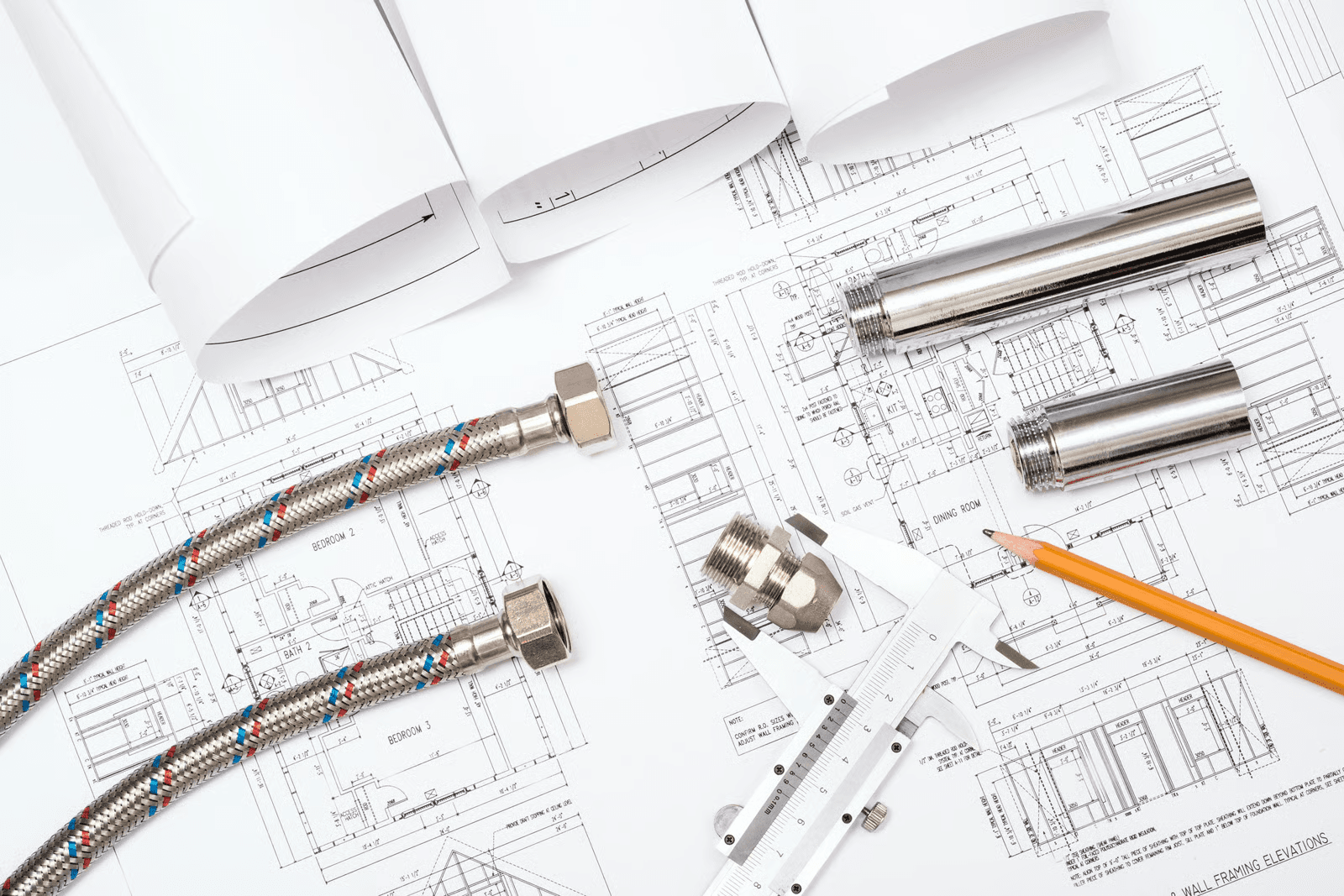
Plumbing takeoff software measures quantities off a drawing set and turns them into a priced bid. You load PDFs or CAD files, set the scale, then count fixtures, trace pipe runs by size and material, and let the software apply assemblies so that a length of 4 inch cast iron pulls in the hangers, fittings, and joint labor that go with it.
The takeoff half produces quantities. The estimating half attaches money to them through a material database and a labor unit table, usually MCAA or PHCC published units or a national average the vendor maintains. Some products do only one half well. PlanSwift is a takeoff engine that hands quantities to Excel, while FastPIPE and McCormick own the whole path from drawing to bid summary.
One honest observation about this market before the list. Half the "best plumbing software" roundups you'll find are written by field service platforms selling dispatch and invoicing, which is a completely different job than bidding a 300 fixture commercial project. Service pricebook software and construction takeoff tools are not substitutes, and a contractor who buys the wrong one loses six months finding out.
Key features to look for
User-friendly interface
Estimators quit software during the first two bids or never. The interfaces that survive share a pattern: point and click measurement directly on the plan, keyboard shortcuts for repeat counts, and a visible audit trail of what you already took off so you can spot the double count before it reaches the bid. PlanSwift built its reputation on drag and drop placement of assemblies onto digitized sheets. Cloud tools like STACK trade some of that speed for access from any machine.
Integration capabilities
Your takeoff numbers have to land somewhere useful. Look for Excel export that keeps quantity structure rather than dumping a flat list, plus connections to your accounting or project management stack so the winning bid becomes a budget without retyping. TurboBid integrates with PlanSwift for on-screen measurement, which is a common pairing among small commercial shops. Ask specifically about CAD and BIM file support if you bid design-build work.
Real-time collaboration
A 400,000 square foot hospital is not a one estimator job. Cloud platforms let two or three people split the sheets and work the same estimate at once, with changes visible immediately. Desktop-only products handle this through shared network files, which works until two people open the same job. If you run a single estimator, this feature is worth nothing to you, so don't pay for it.
Customizable templates
Most plumbing contractors bid the same four or five building types over and over. Saved assemblies and reusable specs let you take off a typical hotel bathroom group once, then apply it across every identical unit in the project. WenPipe is specification driven, so choosing a pipe size automatically selects the fittings, flanges, and hanger types tied to that spec.
Accurate cost databases
Material pricing moves faster than anyone updates a spreadsheet. FastEST maintains a catalog of over 150,000 items with data from manufacturers including Nibco, Weldbend, and Swagelok, refreshed against market pricing. McCormick pulls updated pricing directly from supply houses. Whatever you buy, check whether labor units are MCAA, PHCC, or a vendor national average, because that choice changes your number more than material pricing does.
The 10 best plumbing takeoff software
1. The Takeoff AI
The Takeoff AI approaches the problem from the traceability side. Click any count in the output and see exactly where it came from, which sheet it sits on and which rule produced it, so a reviewing estimator checks the machine's work instead of trusting it. It reads P&IDs, isometrics, and piping and plumbing drawings, pulls quantities from line lists and BOM tables before falling back to symbol detection, and grounds its fitting and labor logic in published standards including ASME B31.3, B16.5, and MCAA labor units. It was built for industrial and commercial work, covering process piping and commercial plumbing, so a residential service plumber pricing water heater swaps is outside its scope, and there's no flat-rate service pricebook in it. If your bottleneck is a large mechanical or plumbing package with a review process you can defend, see how it works at thetakeoff.ai.
2. STACK
STACK is the cloud alternative for contractors who don't want a desktop install or a server to maintain. Takeoffs live online, multiple estimators can work the same job simultaneously, and the plan viewer runs in a browser on any machine, which matters if your team splits time between an office and a jobsite trailer. It covers plumbing alongside a dozen other trades and includes preconstruction workflow features like bid invitations and proposal building. The plumbing material and labor depth is thinner than a purpose-built mechanical product, so process piping and complex commercial work will push against its limits. Expect roughly $3,000 per user per year at the upper tier.
3. FastPIPE
FastPIPE from FastEST is the specialist choice for commercial and industrial plumbing, HVAC piping, and process piping. On-screen takeoff handles pipe, fittings, valves, and assemblies, and the catalog carries over 150,000 items with MCAA and PHCC labor units already attached to each one. Contractors consistently report short onboarding, which is rare in this category. It sells as a perpetual license at $4,995 for the first application, or $225 monthly on a lease, with maintenance at $1,100 annually after year one. The tradeoff is that it's Windows desktop software with no free trial, so evaluating it means committing to a guided demo rather than a weekend of poking around.

4. McCormick Estimating
McCormick has been the mid-market commercial standard for years, with more than 40,000 material items and over 20,000 pre-built assemblies covering ProPress, Uponor, CPVC, and fixture groups. Pricing updates pull directly from supply houses, and labor units start from a national average that you can switch to MCAA or PHCC standards. It sells at three levels, from McCormick through Design Estimating Pro, so you can start narrow and grow into it. The interface shows its age next to newer cloud products, and the depth that makes it powerful for a 50 person shop is overkill for a two truck contractor bidding light commercial tenant work.
5. TurboBid
TurboBid is built for small contractors who bid new construction and service work from the same desk. It carries material pricing from multiple vendors with TurboPricer updating weekly, and it generates proposals, invoices, and customer-facing documents with product descriptions and images, which helps when the buyer is a homeowner or a small GC rather than a construction manager. On-screen takeoff comes through PlanSwift integration rather than a native engine. One-time pricing runs from $1,395 to $3,090, or about $135 monthly. It's Windows only, so Mac users need Parallels and a Windows license before they start.
6. AutoBid Mechanical
Trimble AutoBid Mechanical sits at the enterprise end, aimed at commercial mechanical, piping, and plumbing contractors running large bid volumes. Takeoff is specification driven with patented auto-fitting generation, so pipe runs pull the correct fittings automatically instead of asking the estimator to place each one. The database carries over 100,000 items, and the subscription bundles AutoBid SheetMetal, OnScreen View graphical takeoff, and TRA-SER material and labor pricing. It's the most capable option here for a contractor bidding hundreds of jobs a year. It's also the heaviest to implement, and the cost only makes sense above a certain bid volume, typically enterprise pricing well north of $6,000 per user.
7. WenPipe
Wendes has been building mechanical estimating software since 1978, and WenPipe is its piping and plumbing product. The master catalog runs past 200,000 items, labor can be set to National Average, MCAA, or PHCC, and the specification-driven takeoff picks item size, valves, fittings, flanges, and hanger type as you draw. Where it stands apart is unusual scope work, including high purity piping for cleanrooms and process piping for chemical plants, which most plumbing-focused tools handle poorly or not at all. The product is desktop software with a traditional interface, and the company is small, so you're buying deep domain knowledge rather than a modern SaaS experience.
8. ProEst
ProEst, acquired by Autodesk in 2021, is cloud estimating for contractors who want bids, takeoff, and reporting in the same system as the rest of their preconstruction stack. It performs 2D takeoff with pre-built units, holds estimates in a searchable central library, and includes a Costbook database with over 23,000 lines of regionalized cost data. It also connects into Autodesk's wider pre-construction bundle alongside Takeoff, Docs, and BuildingConnected. For plumbing specifically, it's a generalist. There are no MCAA or PHCC labor units waiting for you and no plumbing assemblies out of the box, so a specialty contractor will spend real setup time before it produces a usable bid.
9. PataBid Quantify
PataBid, based in Okotoks, Alberta and founded in 2017, is the clearest example of AI reaching this category. Quantify runs cloud-based MEP estimating on a database of over 60,000 electrical and plumbing items, and its Rapid Count AI reads drawings and extracts quantities automatically. The strongest use case is repetitive multi-unit work: take off one typical suite in a hotel or apartment tower, save it, and the AI counts every identical unit across the sheet set. Reviewers praise the speed and flag inconsistent material naming in the output as a real annoyance. It's cloud only with no desktop option, and pricing requires a demo, though a 14-day full-access trial exists.
10. PlanSwift
PlanSwift, now part of ConstructConnect, is the general purpose takeoff engine that a lot of plumbing contractors started with. You drop PDF, DWG, JPG, or TIFF plans in, then use point and click measurement to pull lengths, areas, and counts, with saved assemblies for fixtures and pipe runs. It exports cleanly to Excel, which is why so many shops pair it with their own pricing workbook or with a dedicated estimating product like TurboBid. Because it serves every trade, none of the plumbing logic is built in for you, so the first month is spent constructing your own assemblies. Pricing runs around $2,000 per user annually at the Professional tier, and a free trial is available.
The role of AI in plumbing estimation
AI in this category means two different things and the difference matters when you're buying. The first is pattern counting, where a model recognizes a fixture symbol or a repeated unit and tallies it faster than a person clicking. PataBid's Rapid Count is this, and it works well on repetitive layouts.
The second is quantity reasoning, where the software reads the structured data already in the drawing set, line lists, schedules, and BOM tables, then applies engineering rules to derive the bulk quantities that nobody counts by hand anyway. Experienced estimators have always factored fittings, hangers, and welds from pipe length and spec rather than counting every symbol. Software that mimics that method gets closer to how a real bid is built.
What no vendor should promise you is accuracy without review. Numbers in the high nineties get quoted a lot in this market. Treat any of them as a claim about a specific drawing set under specific conditions, and ask what happens when the count is wrong, because the answer separates a tool you can defend in a bid review from one you can't.
Benefits of using plumbing takeoff software
Improved accuracy in cost estimates
Manual takeoff fails in predictable ways: a sheet counted twice, a revision that never made it into the sheet, a pipe run measured at the wrong scale. Software removes the arithmetic errors entirely and makes the structural errors visible, because a takeoff with a visible audit trail can be checked by a second estimator in twenty minutes.
Enhanced workflow efficiency
The time savings show up in reuse rather than in raw speed. Once your typical hotel bathroom group, your standard restroom core, and your common riser configurations live in the system as assemblies, the second hotel takes a fraction of the time the first one did. Vendors across this category cite estimating time reductions around 50 to 75 percent against manual methods, which is believable for repeat building types and optimistic for one-off industrial work.
Better project management
An estimate built in software carries forward. The quantities that won the job become the material requisition, the labor budget, and the baseline you measure field productivity against. Contractors who close that loop learn which building types they bid well and which ones quietly lose money, and that's a decision advantage no spreadsheet gives you.
Increased profits through reduced errors
Bid margin on commercial plumbing is thin enough that a single missed fixture group can erase it. The value of takeoff software is less about winning more work and more about the jobs you don't win at a number you can't build. A tighter, checkable takeoff also lets you shave contingency you were carrying purely because you didn't trust the count.
FAQs
How much does construction estimation software cost?
Plumbing estimating tools span a wide price band. TurboBid starts around $1,395 as a one-time purchase or $135 monthly, PlanSwift and STACK run roughly $2,000 to $3,000 per user annually, FastPIPE is $4,995 perpetual or $225 monthly, and enterprise platforms like AutoBid Mechanical go well beyond that. Most small commercial shops land in the $60 to $300 monthly range.
What's the difference between construction takeoff tools and full estimating software?
Takeoff tools measure quantities off drawings and stop there. PlanSwift is the clearest example, producing counts and lengths that you price elsewhere, usually in Excel. Full estimating software attaches a material database and labor units to those quantities and produces a bid summary, which is what FastPIPE, McCormick, and AutoBid Mechanical do.
Can plumbing bid software handle estimating plumbing costs for service work?
Mostly no, and this trips up contractors who do both. Construction bidding software prices from drawings and labor units, while service work prices from a flat-rate pricebook per task. TurboBid is one of the few that reaches across both. If your revenue is mainly repair and maintenance, a field service platform serves you better than a takeoff product.
Do I need MCAA or PHCC labor units?
If you bid commercial or industrial work where the owner or GC scrutinizes your labor basis, yes, published units give you a defensible number. FastPIPE, McCormick, and WenPipe all ship with them. A residential or light commercial contractor working from their own historical productivity data has less need for them.
What are the best plumbing tools for a contractor still estimating manually?
Start with the takeoff, not the pricing. A digital measurement tool with saved assemblies removes the largest source of error immediately, and it costs less than a full estimating suite. Once your quantities are reliable and repeatable, adding a priced database on top is a much smaller step.
Conclusion: choosing the right tool for your plumbing business
Buy against your bottleneck. If yours is measurement speed on straightforward commercial work, PlanSwift or STACK solve it cheaply. If it's material and labor depth on commercial mechanical bids, FastPIPE, McCormick, and WenPipe are the specialists, and AutoBid Mechanical is where you land when bid volume justifies the implementation. If your projects are repetitive multi-unit builds, PataBid's automated counting will save the most hours.
If your problem is that nobody can check the takeoff before it goes out, and a wrong number on a large mechanical package is the thing that keeps you up, start with traceability. Try The Takeoff AI.